


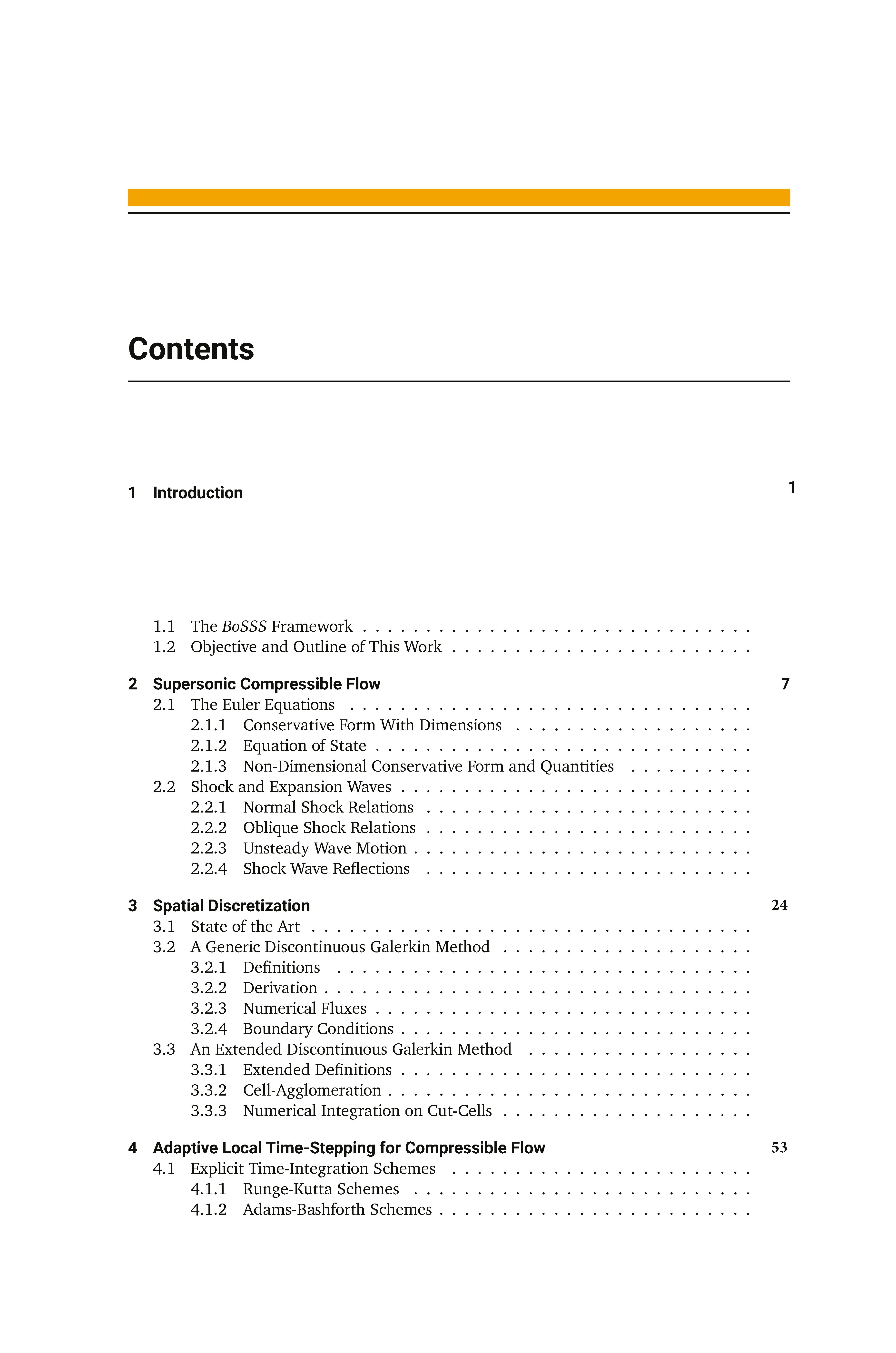
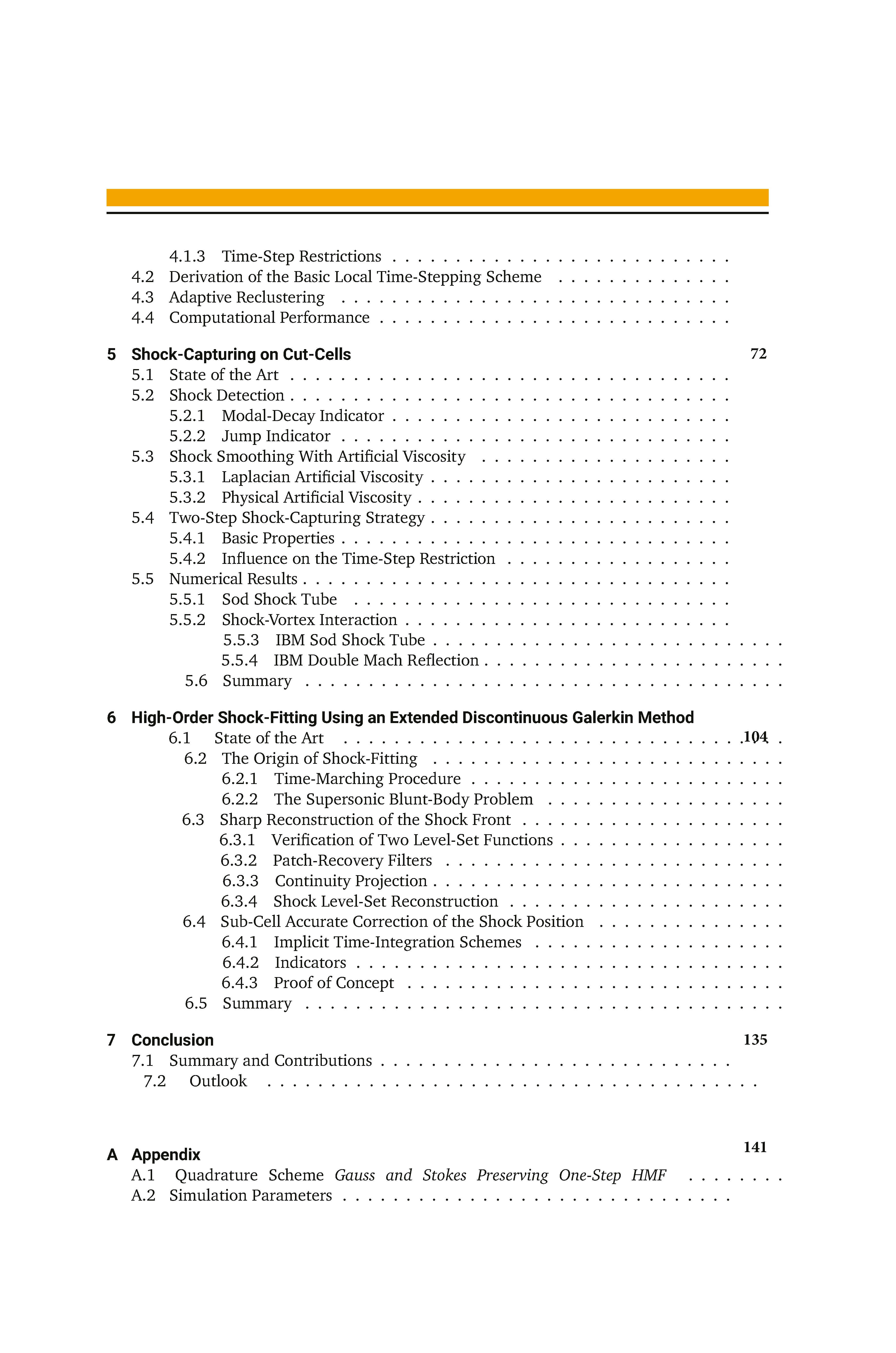
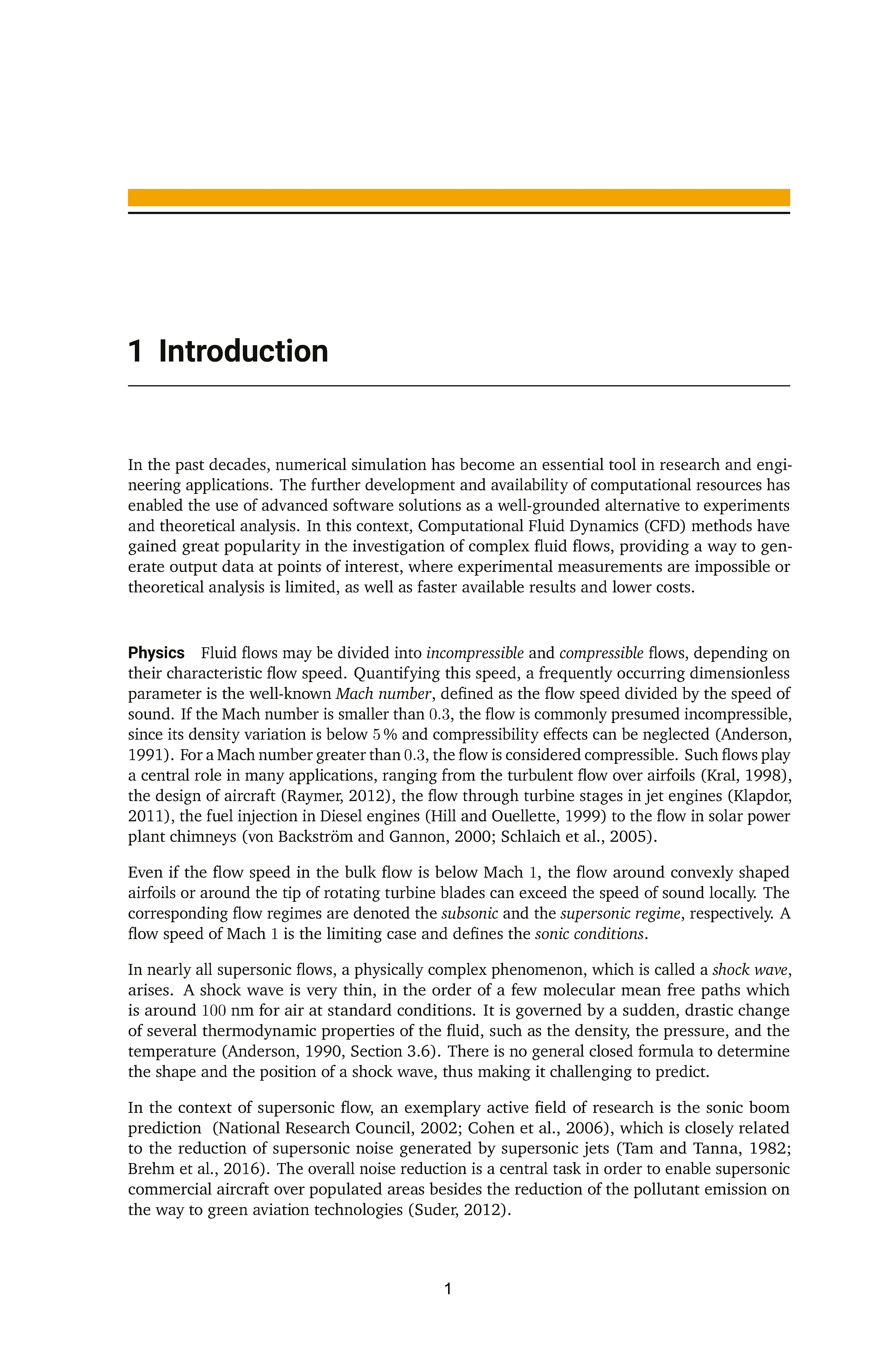
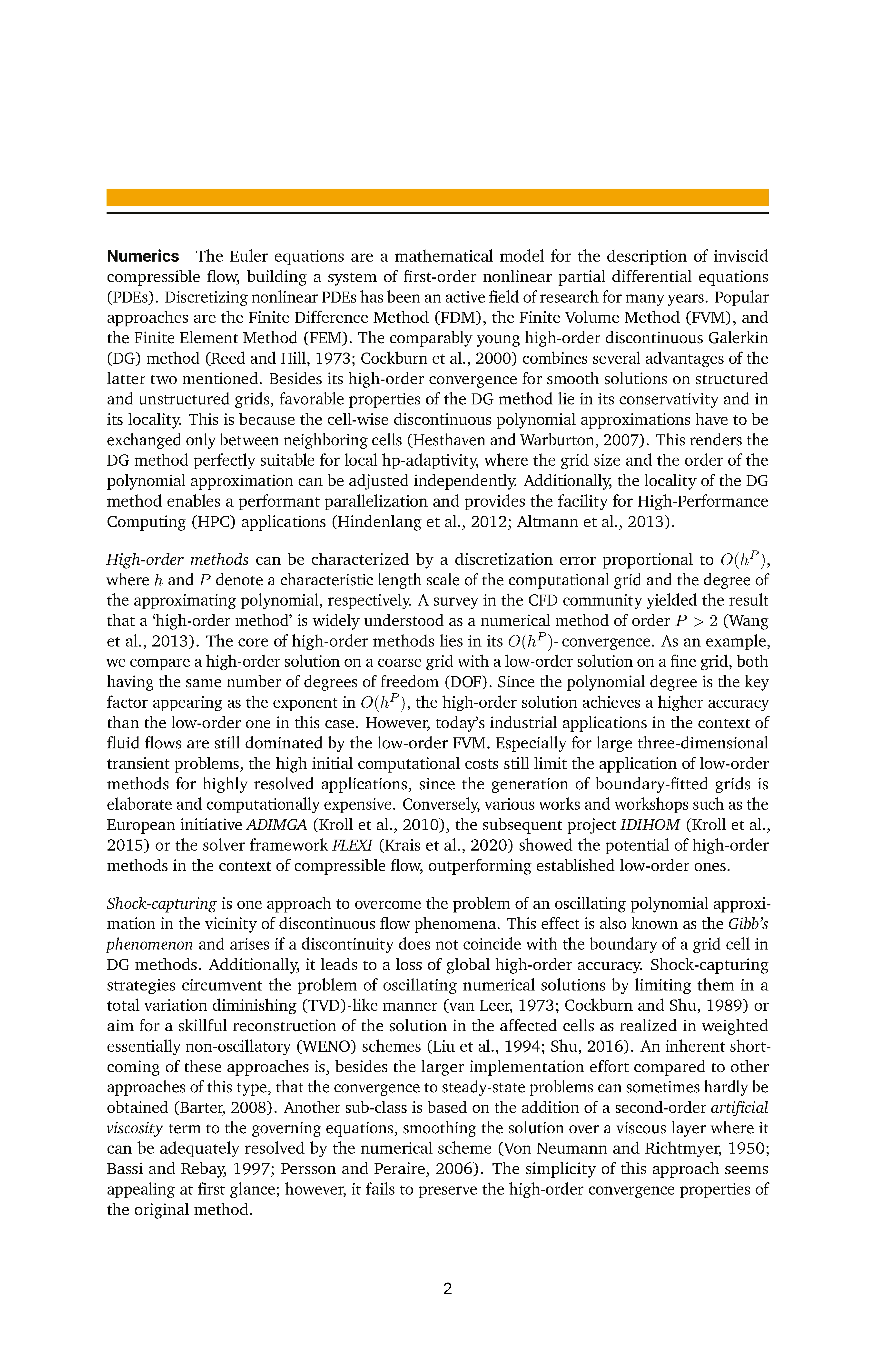
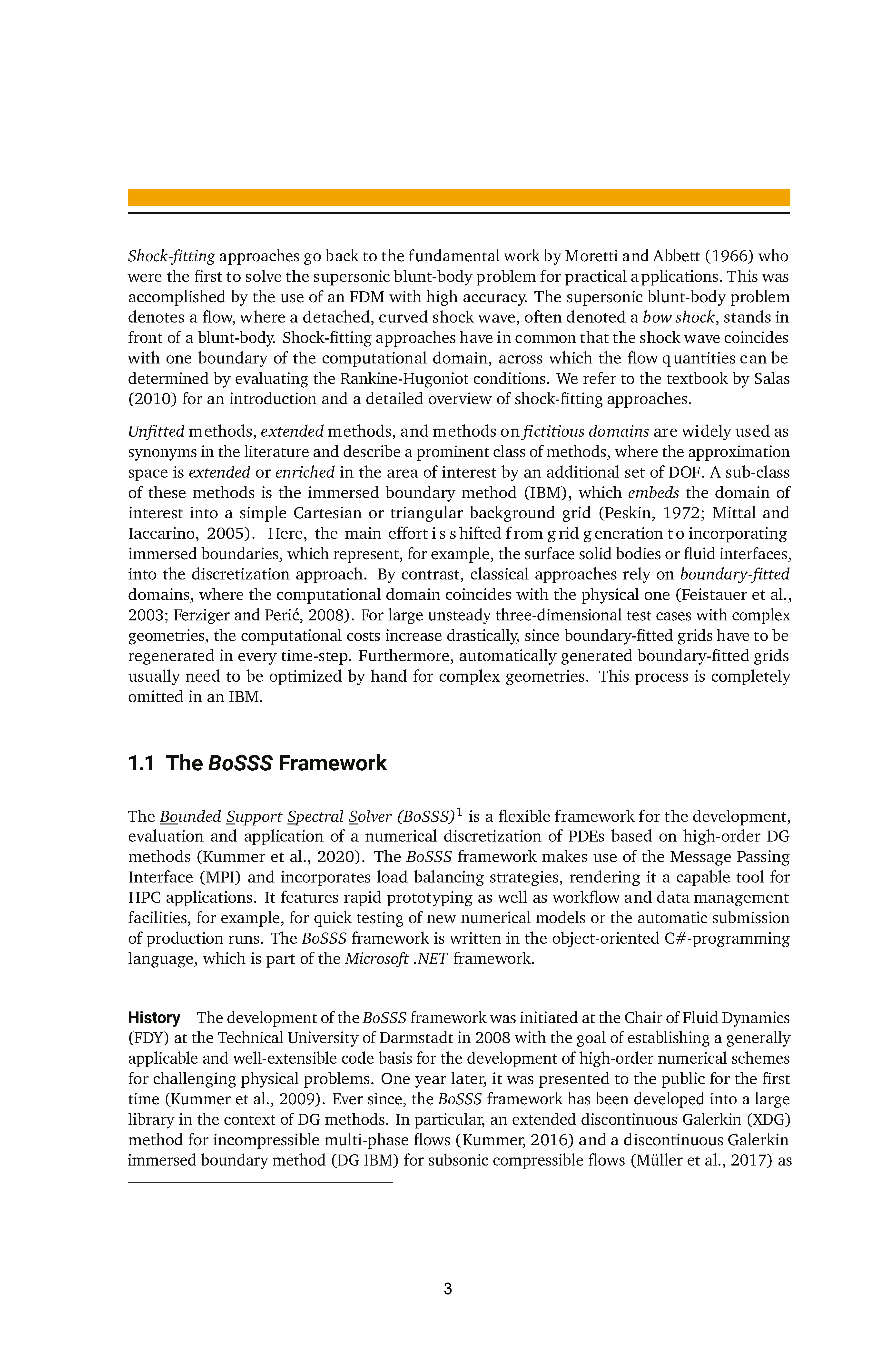
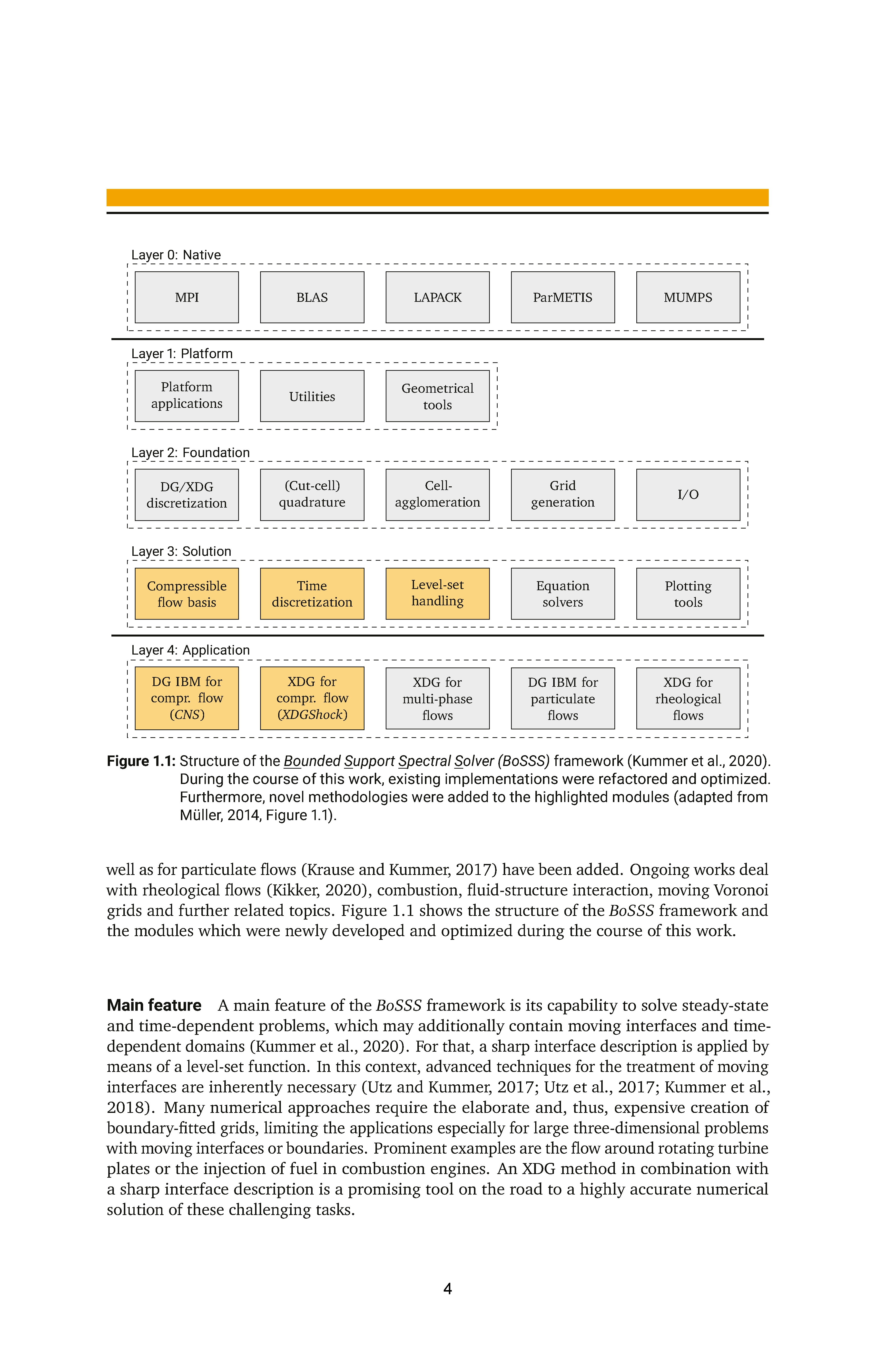


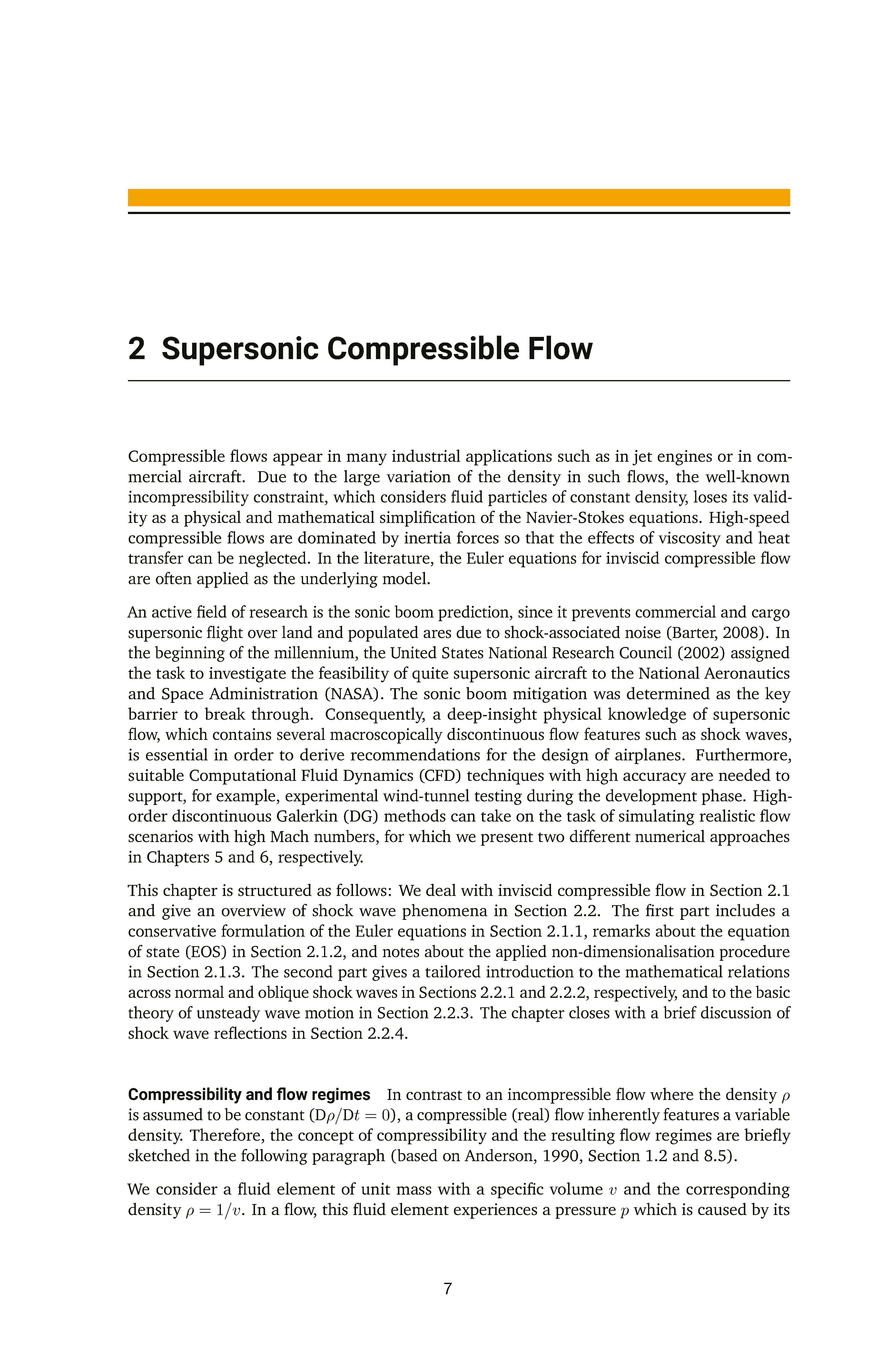

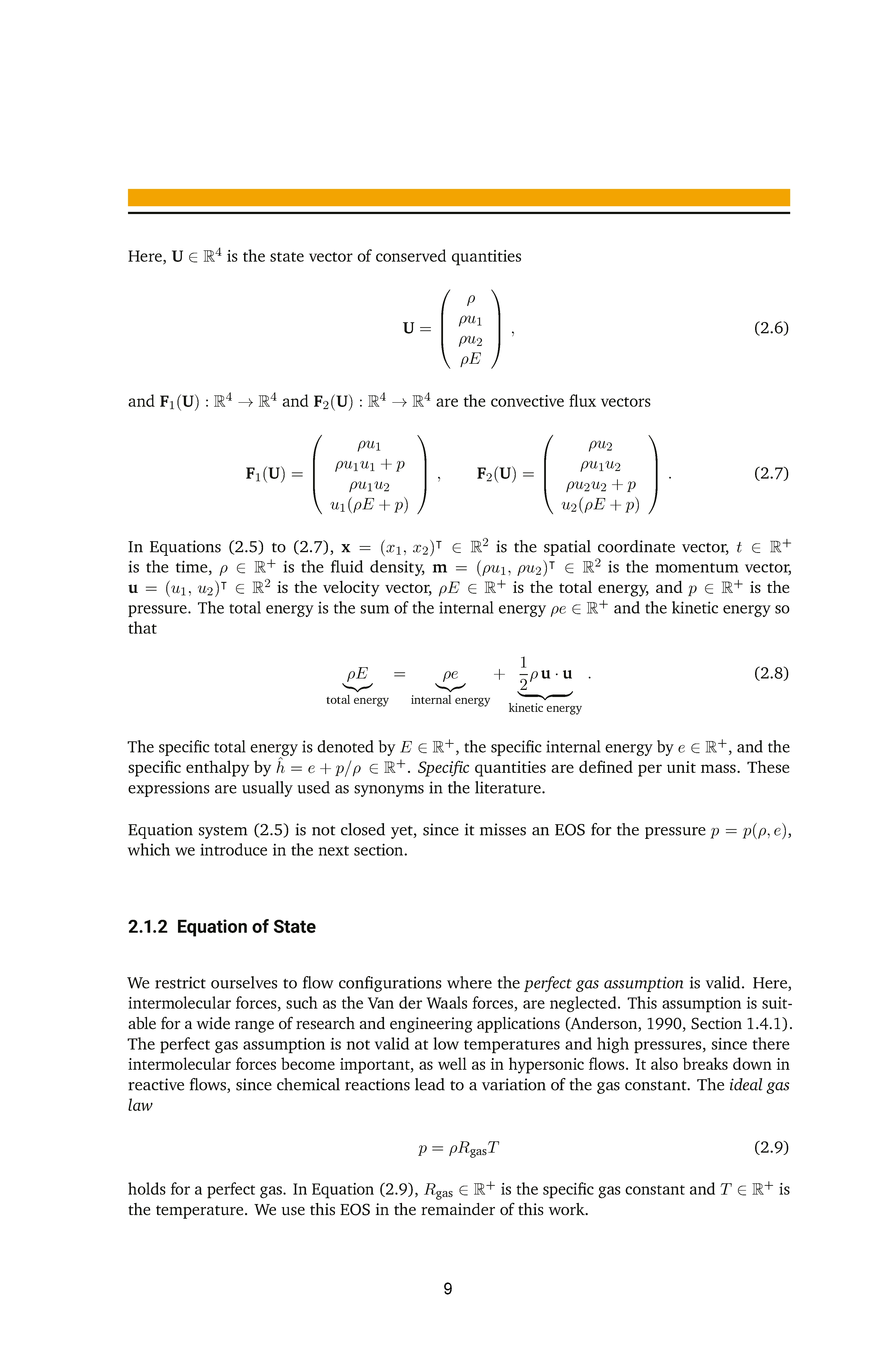
Computational Fluid Dynamics: A Powerful Tool for Understanding Complex Flows
Description
Imagine the intricate choreography of fluids – air swirling around a speeding car, or blood coursing through intricate veins. "Computational Fluid Dynamics: A Powerful Tool for Understanding Complex F ...
                            Imagine the intricate choreography of fluids – air swirling around a speeding car, or blood coursing through intricate veins. "Computational Fluid Dynamics: A Powerful Tool for Understanding Complex Flows" explores a groundbreaking tool, CFD, that helps us decode these mysteries.
Traditionally, understanding fluid behavior relied on physical experiments, a time-consuming and expensive endeavor. CFD offers a revolutionary alternative:
•	Virtual Laboratories: CFD software creates digital models of fluids and their interactions with objects. These models allow engineers to simulate complex scenarios at a fraction of the cost and time of physical experiments.
•	Seeing the Invisible: CFD simulations go beyond equations, providing detailed visualizations of fluid flow patterns, pressure distribution, and turbulence. These visuals offer insights impossible to capture through physical observation.
•	Optimizing Designs with Precision: By virtually testing and refining designs, engineers can identify and address potential flaws in aerodynamics, heat transfer, or fluid flow within a system before building physical prototypes.
CFD empowers innovation across diverse fields:
•	Aerospace Engineering: Simulating aircraft performance to optimize fuel efficiency and ensure flight stability.
•	Automotive Industry: Designing cars with superior aerodynamics, minimizing drag, and improving engine cooling systems.
•	Biomedical Engineering: Modeling blood flow through heart valves or prosthetic limbs, leading to improved designs and reduced risks for patients.
However, challenges remain:
•	Modeling Complexity: Accurately replicating real-world scenarios requires expertise in physics, mathematics, and CFD software.
•	Computational Demands: Complex simulations can be computationally intensive, requiring powerful computers and significant processing time.
•	Validation and Verification: Ensuring the accuracy of CFD simulations by comparing them with real-world data is crucial for reliable results.
Despite these challenges, CFD is a transformative tool. By providing a deeper understanding of fluid behavior, it fuels innovation and advancements across numerous industries. As computational power increases and software capabilities evolve, CFD will continue to be a cornerstone of discovery in the world of fluid dynamics.
Details
- Edition: 0
- Publication date: 03.06.2024
- From Nami
- Language: English
- ISBN: 978-3-384-24909-8
- Pages: 148
- Dimensions and bleed: 15,5 x 23,4 cm
- Weight: 259,7g
- Production time: 5 Business days

You might also like
-
 Steam Turbines A Book of Instruction for the Adjustment and Operation of the Principal Types of this Class of Prime Movers
 -
 Industrial Progress and Human Economics
 -
 Flying Machines: construction and operation; a practical book which shows, in illustrations, working plans and text, how to build and navigate the modern airship
 -
 Das große Handbuch der Gleisinstandhaltung
 -
 Erfolgreich Lastenhefte schreiben
 -
 Eisen und Stahl in Remscheid-Platz
 -
 AFRICA 21st - TOGETHER WE CAN MAKE AFRICA GREATER
 -
 AFRICA 21st - TOGETHER WE CAN MAKE AFRICA GREATER
 -
 Die Rechnung von Wind und Sonne
 -
 Das Große Handbuch der Gleisinstandhaltung
 -
 Instandhaltungsstrategien im technischen Gebäudemanagement
 -
 Hybrides Projektmanagement
 -
 Gestaltung von Shopfloor Boards in produzierenden Unternehmen
 -
 The Comprehensive Manual of Track Maintenance VOLUME 1
 -
 Bella Italia - Genussreise durch die italienische Backkunst
 -
 E-Fuels
 -
 Windkraft besser nutzen
 -
 Universal Ratgeber Photovoltaik
 -
 Einbindung und Validierung von Sicherheitsfunktionen (SRASW)
 -
 Elektrokonstruktion
