

The Battle Against Malaria: A Historical and Scientific Exploration
Beschreibung
The dawn of the scientific era brought a shift in our understanding of malaria. In the 17th century, Italian physician Giovanni Lancisi observed the correlation between swampy areas and malaria outbre ...
                            The dawn of the scientific era brought a shift in our understanding of malaria. In the 17th century, Italian physician Giovanni Lancisi observed the correlation between swampy areas and malaria outbreaks. This observation, though not entirely accurate, laid the groundwork for further investigation. In 1880, French military surgeon Charles Louis Alphonse Laveran identified a microscopic parasite in the blood of malaria patients, a breakthrough that revolutionized the field. This discovery led to the naming of the parasite, Plasmodium, and the realization that malaria was not caused by bad air or spirits, but by a biological agent.
The Life Cycle of the Malaria Parasite
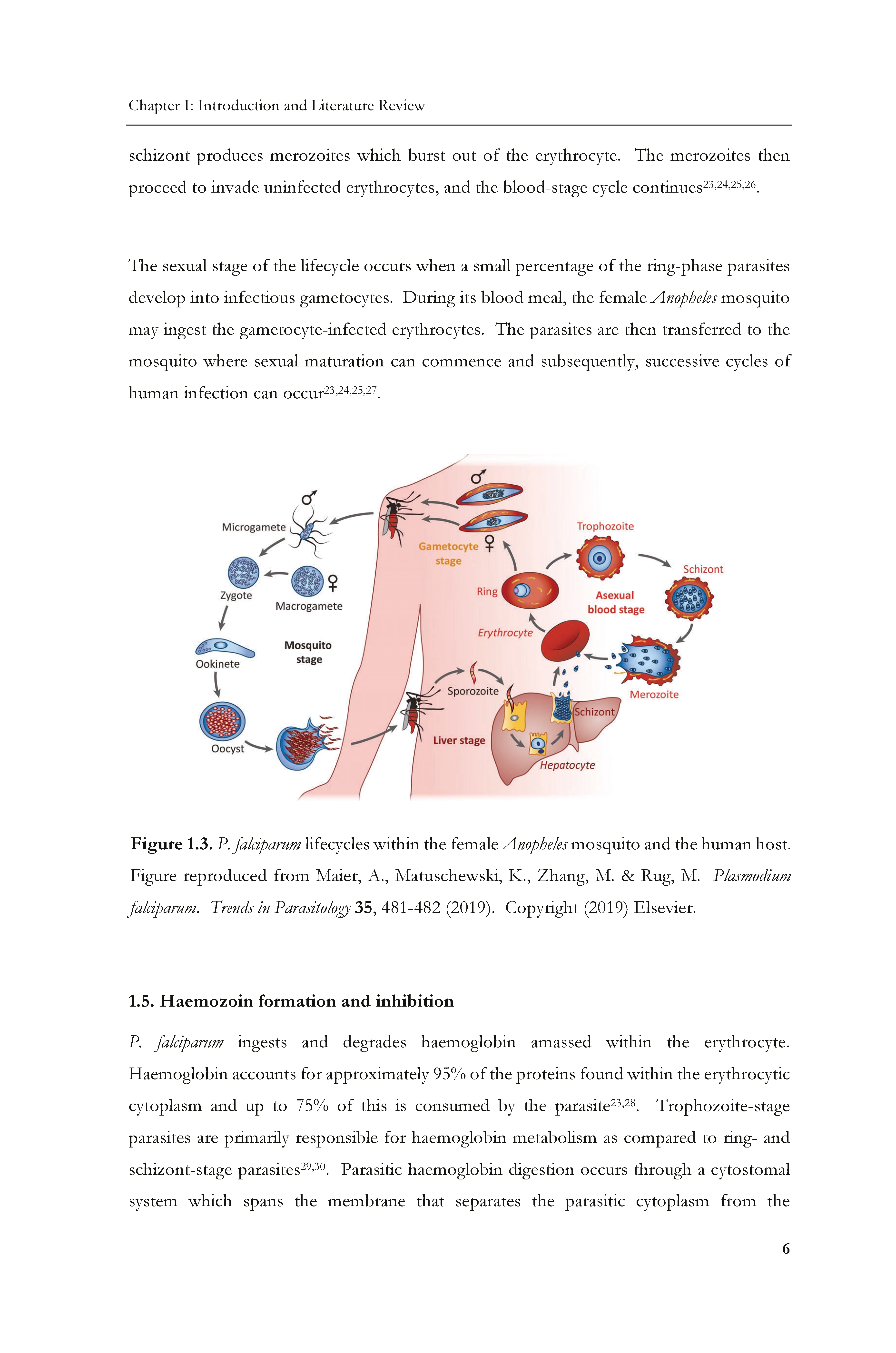
Malaria's complexity lies in its intricate life cycle. The Plasmodium parasite thrives within a specific type of female Anopheles mosquito. When an infected mosquito bites a human, the parasite enters the bloodstream, infecting liver cells. Inside the liver, the parasite multiplies asexually before bursting into the bloodstream, where it invades red blood cells. Inside these cells, it continues to reproduce, causing the tell-tale symptoms of malaria - chills, fever, and sweating. Eventually, these infected red blood cells rupture, releasing more parasites back into the bloodstream, perpetuating the cycle.
Details
- Auflage: 0
- Veröffentlichungsdatum: 24.06.2024
- Von Lemony
- Sprache: Englisch
- ISBN: 978-3-384-27065-8
- Seiten: 240
- Maße und Beschnitt: 15,5 x 23,4 cm
- Gewicht: 406,6g
- Produktionszeit: 5 Werktage

Das könnte dir auch gefallen
-
 Aus Asklepios' Werkstatt
 -
 The Evolution of Modern Medicine
 -
 Apis Mellifica or, The Poison of the Honey-Bee, Considered as a Therapeutic Agent
 -
 An Account of the Foxglove and some of its Medical Uses With Practical Remarks on Dropsy and Other Diseases
 -
 Essentials of Diseases of the Skin Including the Syphilodermata Arranged in the Form of Questions and Answers Prepared Especially for Students of Medicine
 -
 Introduction à l'étude de la médecine expérimentale
 -
 Introduction à l'étude de la médecine expérimentale
 -
 Outlines of Greek and Roman Medicine
 -
 Outlines of Greek and Roman Medicine
 -
 Medicine in Virginia, 1607-1699
 -
 Applied Psychology for Nurses
 -
 A Dissertation on the Medical Properties and Injurious Effects of the Habitual Use of Tobacco
 -
 Medical Investigation in Seventeenth Century England Papers Read at a Clark Library Seminar, October 14, 1967
 -
 A Dissertation on the Medical Properties and Injurious Effects of the Habitual Use of Tobacco
 -
 Job-Demand-Control-Support-Modell und Burnout
 -
 Muskel-Skelett-Erkrankungen und Beschwerden bei Beschäftigten in Gesundheits- und Pflegeberufen
 -
 Führungsverhalten und psychische Gesundheit der Beschäftigten im Gesundheits- und Sozialwesen
 -
 Gesundheitsverhalten, Gesundheitszustand und Zukunftsperspektiven von Auszubildenden in pflegerischen und sozialen Berufen
 -
 Multiresistente Erreger in der ambulanten Pflege
 -
 Risiko einer latenten Tuberkulose-Infektion bei Beschäftigten und Berufseinsteigern im Gesundheitswesen
