

Living Well With HIV
Beschreibung
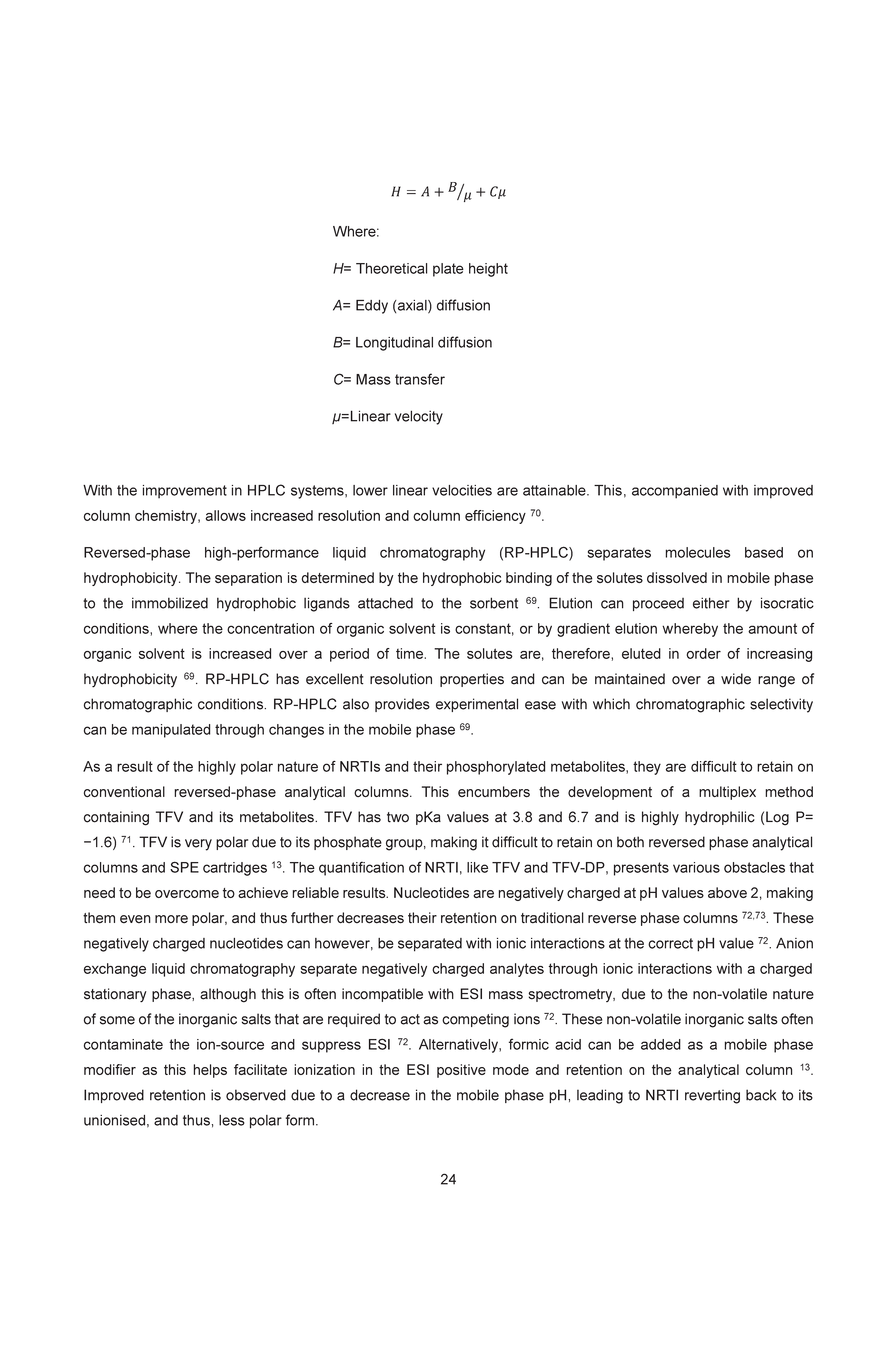
An estimated.two-thirds of the 36.7 million people infected with.the Human immunodeficiency.virus (HIV), reside
on the African.continent 1. Once infection.has occurred, HIV destroys.the hosts CD4+ imm ...
                            An estimated.two-thirds of the 36.7 million people infected with.the Human immunodeficiency.virus (HIV), reside
on the African.continent 1. Once infection.has occurred, HIV destroys.the hosts CD4+ immune.cells, leading to
acquired.immunodeficiency syndrome (AIDS) 2. .HIV/AIDS is wide.spread throughout.Sub-Saharan Africa and
exacerbates various.socioeconomic issues 3. South Africa has.some of the highest prevalence.of HIV/AIDS.in the
world, with an.estimated 7 million people.living with HIV 4. .An estimated 115 000.HIV-related deaths occurred in
South Africa in 2018, .emphasizing the.need for HIV research.in Sub-Saharan.countries 4.

The HIV-1 virus.consists of two copies.of non-covalently.linked, positive.sense, single-stranded.RNA molecules 5.
This is enclosed.by a p24 viral.protein.conical capsid, situated.within a.viral envelope. .The viral envelope is
derived from the.host cell membrane and.contains viral.glycoproteins; such.as gp120.and gp41, which.are
imbedded.in the viral.envelope 2,6,7. .Once HIV-1 exposure.occurs, .the virus migrates.to CD4+ immune.cells. This
occurs.due to the.affinity of the HIV-1 viral.envelope.gp120/gp41 complex.for CD4 antigen.receptors on the
surface of host.CD4+ immune cells 2,6. Once.the gp120 subunit.of the viral envelope.interacts with a CD.antigen
receptor, co-receptor binding.takes place 2,7. The co-receptor.binding results in conformation.changes in the HIV-
1 envelope, .leading to the exposure.of the gp41 hydrophobic.domain, allowing.fusion of the.envelope with.the
cellular.membrane and the.subsequent delivery.of the viral core.into the cytoplasm 2. The.uncoating of the.viral
core exposes.Reverse transcriptase, a HIV.enzyme, to deoxynucleotide.triphosphates (dNTP’s), resulting in
reverse transcription.and proviral DNA synthesis 2. After reverse.transcription is completed, .the formation.of a
complex, consisting of.viral and cellular components is.formed, known as the viral pre-integration.complex. This is
transported to the.cell’s nucleus where the.HIV-1 enzyme, Integrase, catalyses.the integration of the viral.genome
with the human.DNA 2,7. This maintains the.viral DNA.in the infected host cell and allows.transcription, thus the
cell can express viral.mRNA and viral RNA. Once.transcription is initiated, the necessary viral.constituents move
to the inside of the plasma.membrane and assemble to form an.immature HIV-1 virus 2. The newly.formed
immature virus buds.off from the cell and releases.protease to break down large.HIV-1 protein chains. .These
broken down HIV protein.chains, combine to form.a mature HIV-1 virus 2.
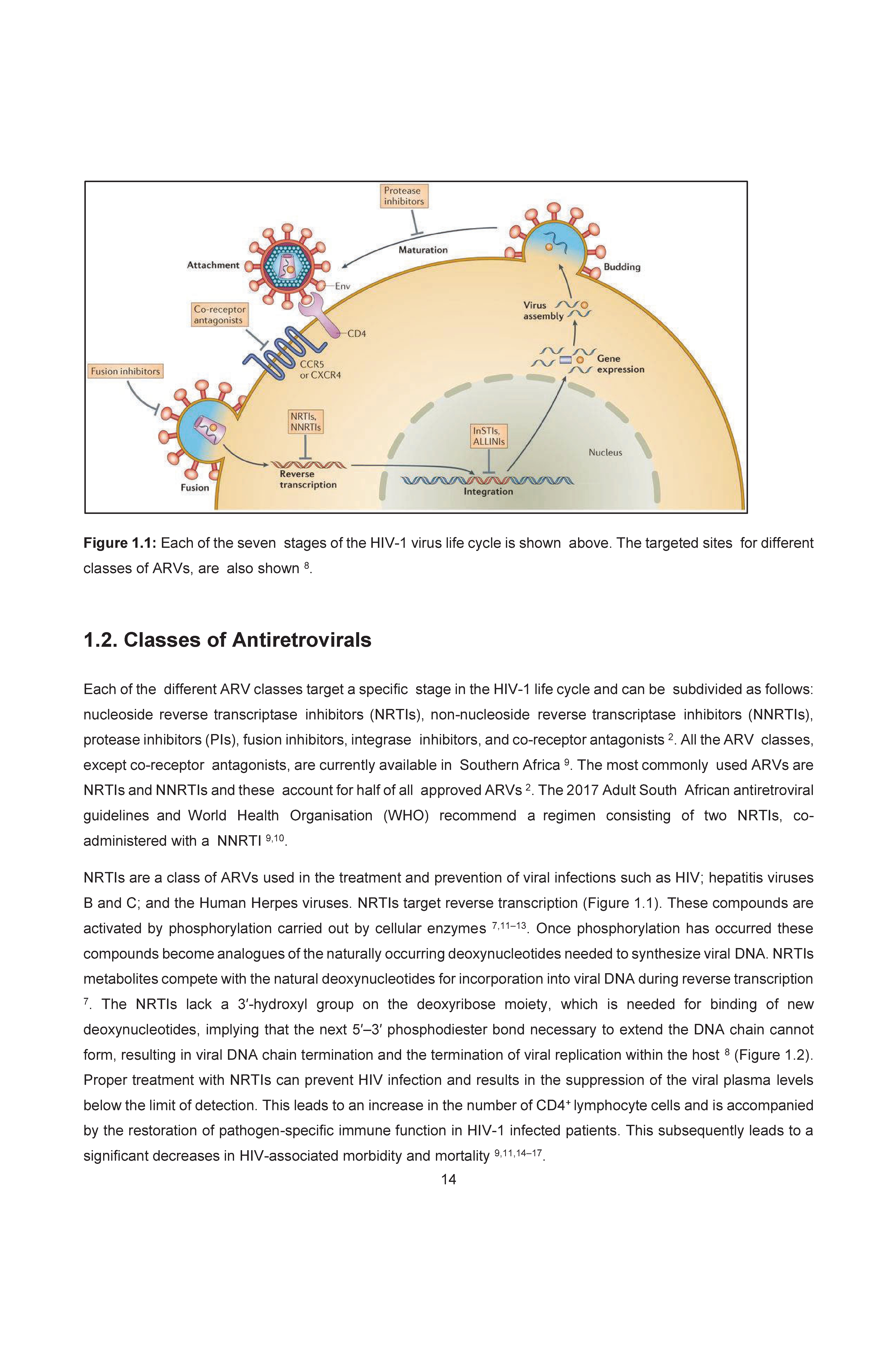
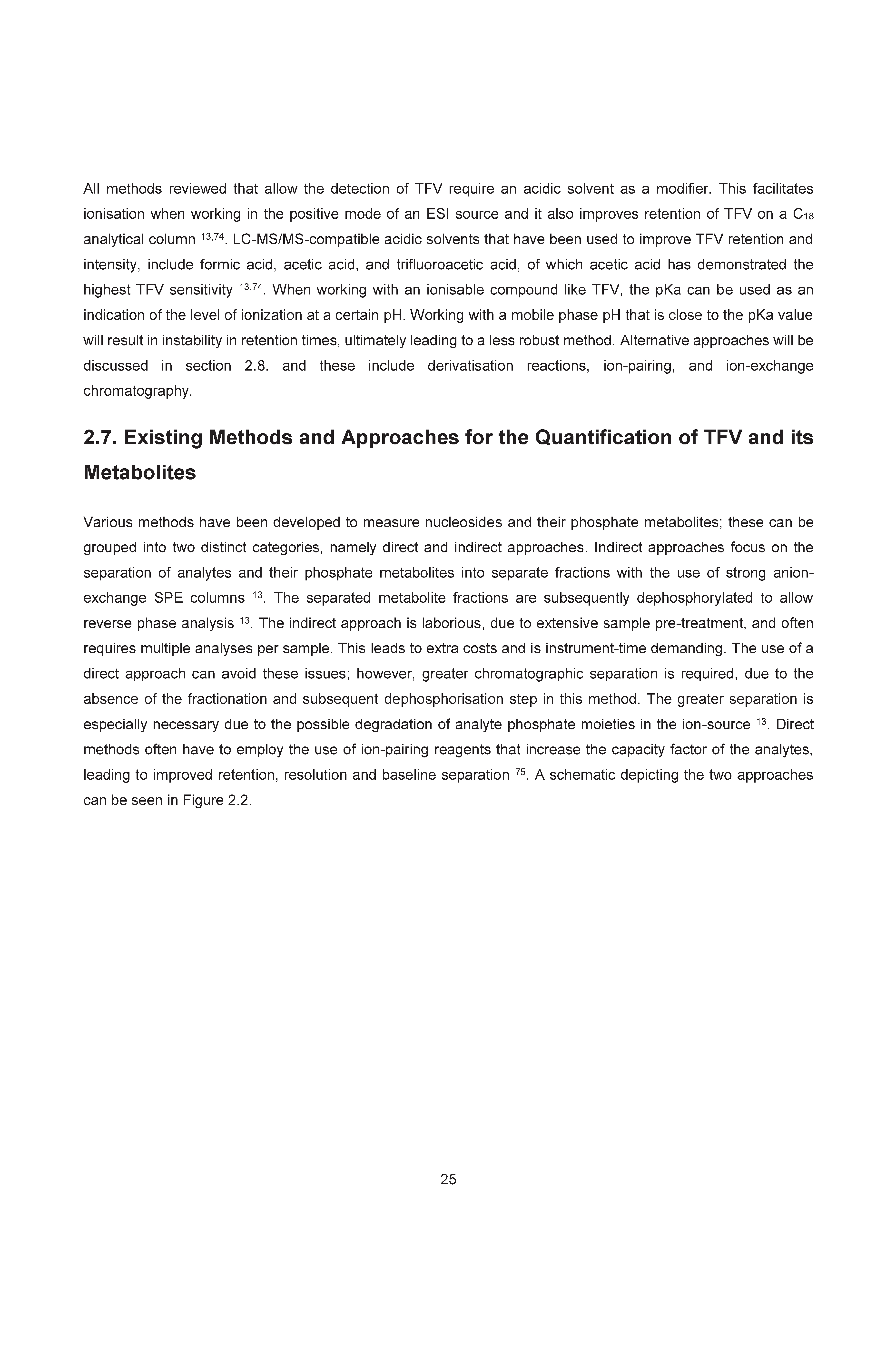
The viral life.cycle, discussed above (shown in Figure 1.1), can be.subdivided into seven.distinct stages, namely
binding; fusion; reverse.transcription; integration; replication; .virus assembly/production; and.budding. The HIV-1
lifecyclexpresents various.potential opportunities for.therapeutic intervention.and six distinctclasses of
antiretrovirals (ARVs) havexbeen developed 2.
Details
- Auflage: 0
- Veröffentlichungsdatum: 06.05.2024
- Von Nicholas
- Sprache: Englisch
- ISBN: 978-3-384-21975-6
- Seiten: 128
- Maße und Beschnitt: 15,5 x 23,4 cm
- Gewicht: 227,1g
- Produktionszeit: 5 Werktage

Das könnte dir auch gefallen
-
 Aus Asklepios' Werkstatt
 -
 The Evolution of Modern Medicine
 -
 Apis Mellifica or, The Poison of the Honey-Bee, Considered as a Therapeutic Agent
 -
 An Account of the Foxglove and some of its Medical Uses With Practical Remarks on Dropsy and Other Diseases
 -
 Essentials of Diseases of the Skin Including the Syphilodermata Arranged in the Form of Questions and Answers Prepared Especially for Students of Medicine
 -
 Introduction à l'étude de la médecine expérimentale
 -
 Introduction à l'étude de la médecine expérimentale
 -
 Outlines of Greek and Roman Medicine
 -
 Outlines of Greek and Roman Medicine
 -
 Medicine in Virginia, 1607-1699
 -
 Applied Psychology for Nurses
 -
 A Dissertation on the Medical Properties and Injurious Effects of the Habitual Use of Tobacco
 -
 Medical Investigation in Seventeenth Century England Papers Read at a Clark Library Seminar, October 14, 1967
 -
 A Dissertation on the Medical Properties and Injurious Effects of the Habitual Use of Tobacco
 -
 Job-Demand-Control-Support-Modell und Burnout
 -
 Muskel-Skelett-Erkrankungen und Beschwerden bei Beschäftigten in Gesundheits- und Pflegeberufen
 -
 Führungsverhalten und psychische Gesundheit der Beschäftigten im Gesundheits- und Sozialwesen
 -
 Gesundheitsverhalten, Gesundheitszustand und Zukunftsperspektiven von Auszubildenden in pflegerischen und sozialen Berufen
 -
 Multiresistente Erreger in der ambulanten Pflege
 -
 Risiko einer latenten Tuberkulose-Infektion bei Beschäftigten und Berufseinsteigern im Gesundheitswesen
