

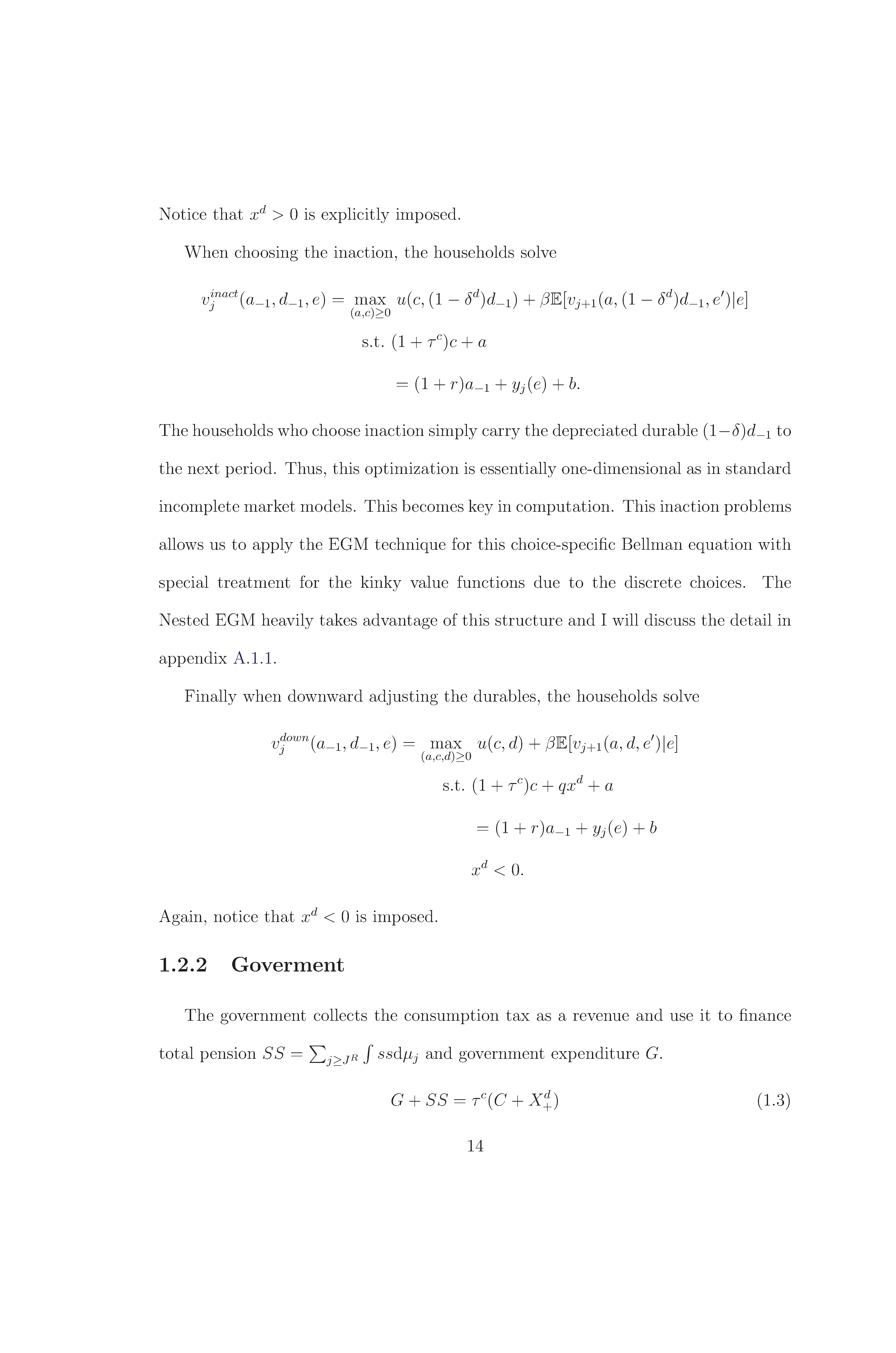
Beyond the Elasticity: How the Tax Wedge Improves Predictions of Durable Spending
Beschreibung
Durable goods, such as cars, appliances, and furniture, differ significantly from non-durable goods in terms of purchasing patterns. Consumers don't buy them frequently, and the decision to purchase i ...
Durable goods, such as cars, appliances, and furniture, differ significantly from non-durable goods in terms of purchasing patterns. Consumers don't buy them frequently, and the decision to purchase is often driven by a complex interplay of factors beyond just income. These factors include:
Replacement Needs: Durable goods eventually wear out and need replacing. This replacement demand can be somewhat independent of income fluctuations.
Financing Options: Durable goods often have high upfront costs, leading to reliance on credit and loan terms. Interest rates and down payment requirements can significantly impact purchasing decisions.
Durability and Technological Advancements: The lifespan of durable goods is increasing, leading to longer replacement cycles. Additionally, rapid technological advancements can influence upgrade decisions.
Details
- Auflage: 0
- Veröffentlichungsdatum: 08.07.2024
- Von Shiva
- Sprache: Englisch
- ISBN: 978-3-384-28311-5
- Seiten: 88
- Maße und Beschnitt: 15,5 x 23,4 cm
- Gewicht: 161,8g
- Produktionszeit: 5 Werktage

Das könnte dir auch gefallen
-
 Die Kunst, Recht zu behalten
 -
 Der Kampf um's Recht
 -
 Juristische Schriften 1771 - 1775
 -
 Der Kampf um's Recht
 -
 Juristische Schriften 1771 - 1775
 -
 Moral Principles and Medical Practice The Basis of Medical Jurisprudence
 -
 Hugo de Groot en zijn rechtsphilosophie
 -
 Die Verfassungsbeschwerde vom 18.12.2020 gegen die Ratifikation des Übereinkommens über ein Einheitliches Patentgericht
 -
 Die Durchsetzung der Haushaltspolitik und der Haushaltsführung
 -
 Schwachstelle Mensch – Prävention gegen alte und neue Formen der Kriminalität
 -
 Geltungsbereich des Kollektivanlagenrechts
 -
 Hotspots des Sanierungsrechts
 -
 25 Jahre Kartellgesetz – ein kritischer Ausblick
 -
 Der Empfang der Sakramente der Busse, der Eucharistie oder der Krankensalbung durch katholische Gläubige in einer nichtkatholischen Kirche oder kirchlichen Gemeinschaft
 -
 Recht und Evidenz in der Pandemie
 -
 Cybersicherheit und Cyber-Resilienz in den Finanzmärkten
 -
 Das Kollisionsrecht der internationalen Unternehmensübernahme
 -
 Menschenrechte in der Schweiz stärken
 -
 Europa in turbulenten Zeiten
 -
 Renforcer les droits humains en Suisse
