
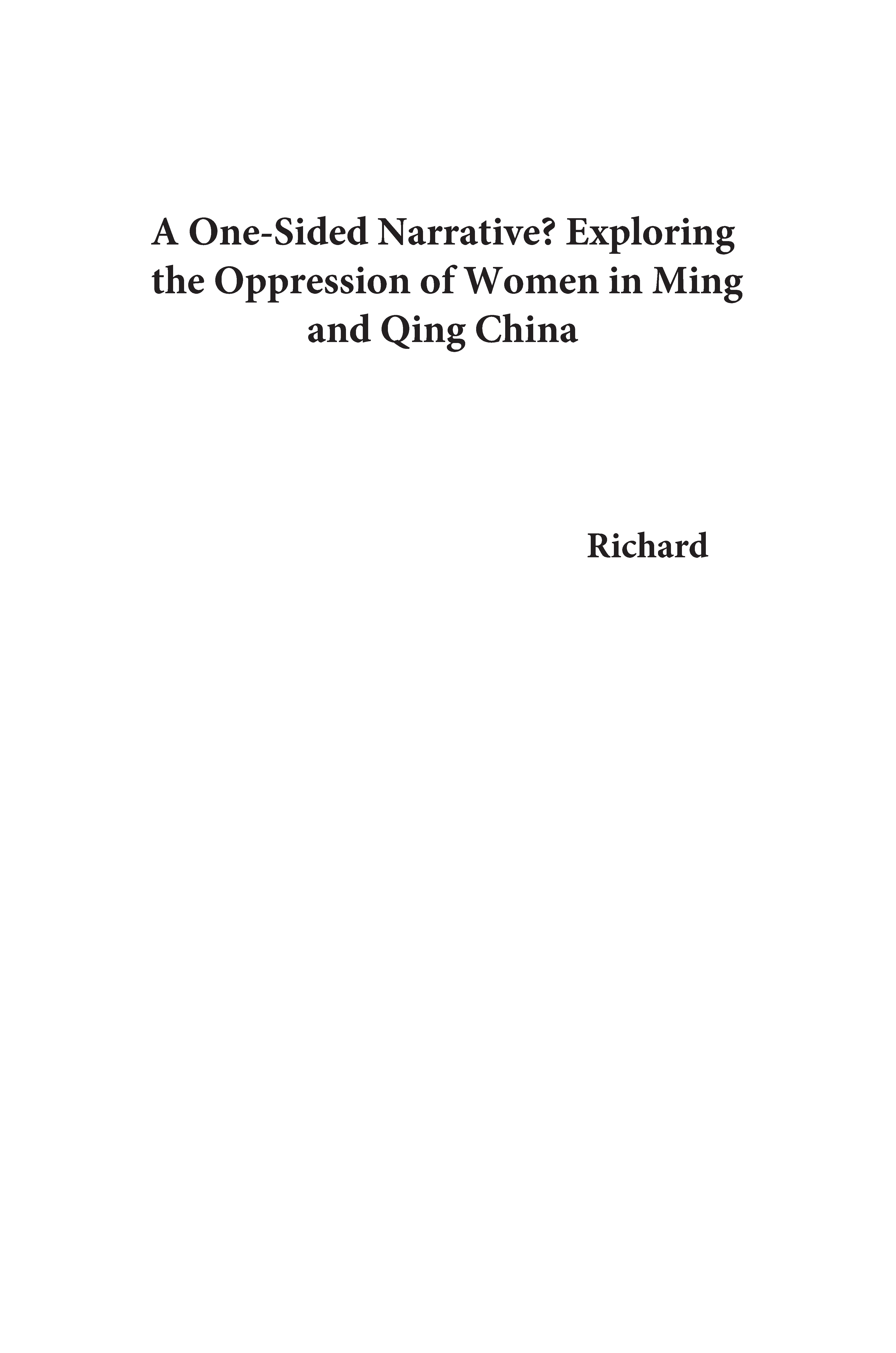

A One-Sided Narrative? Exploring the Oppression of Women in Ming and Qing China
Beschreibung
Traditional narratives often paint Ming and Qing China as a time of absolute female oppression. "A One-Sided Narrative? Exploring the Oppression of Women in Ming and Qing China" challenges this view, ...
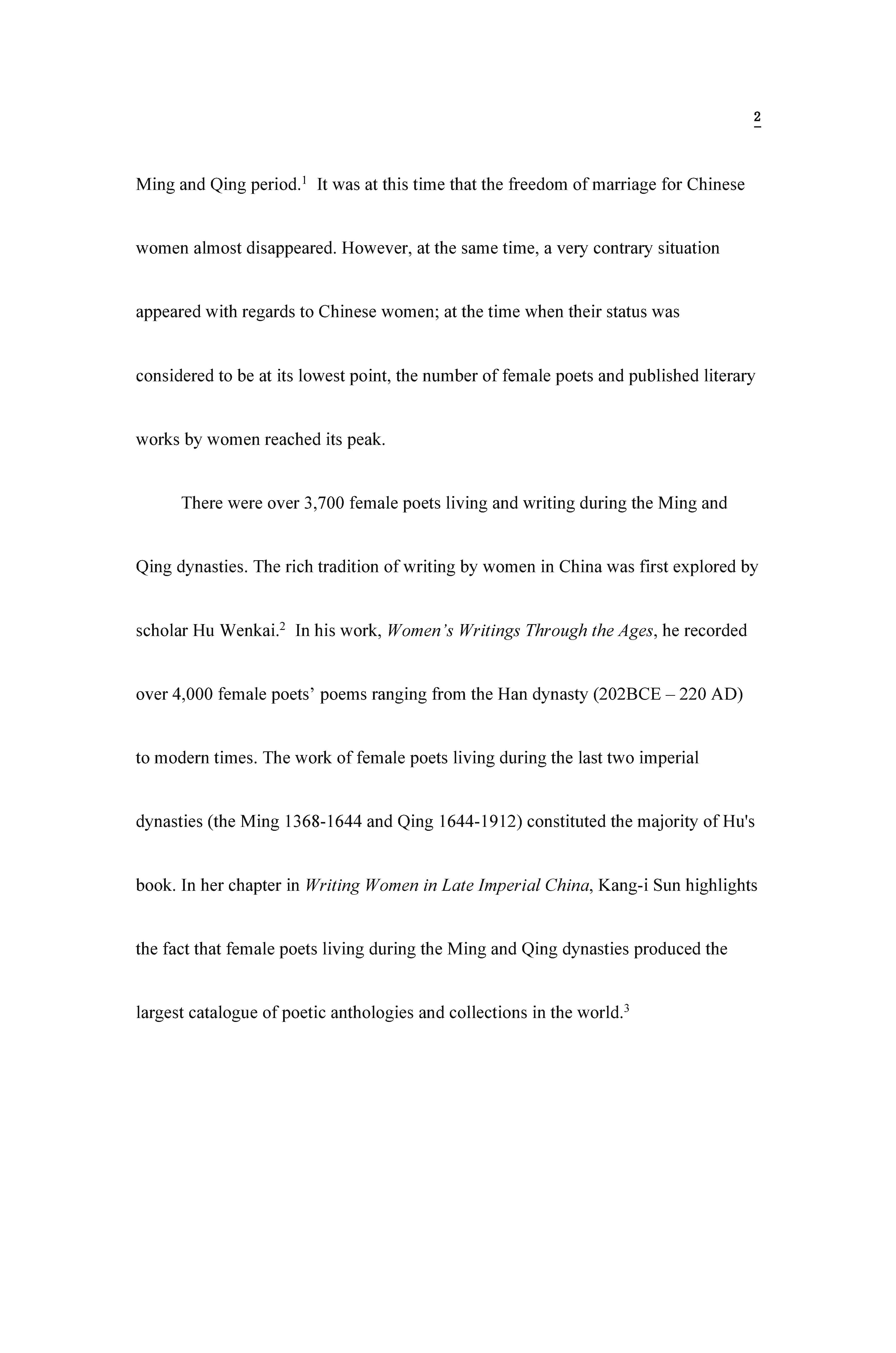
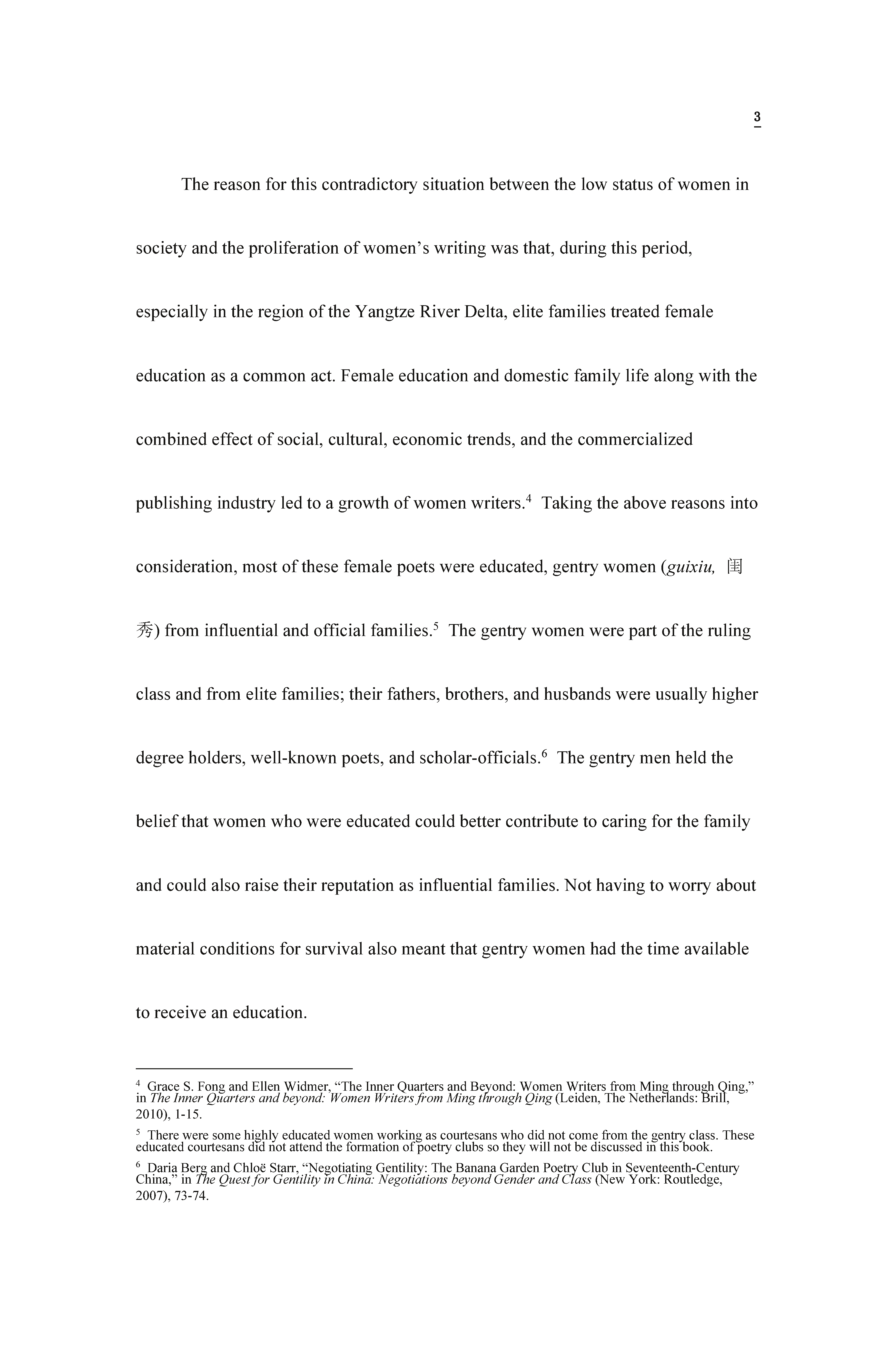
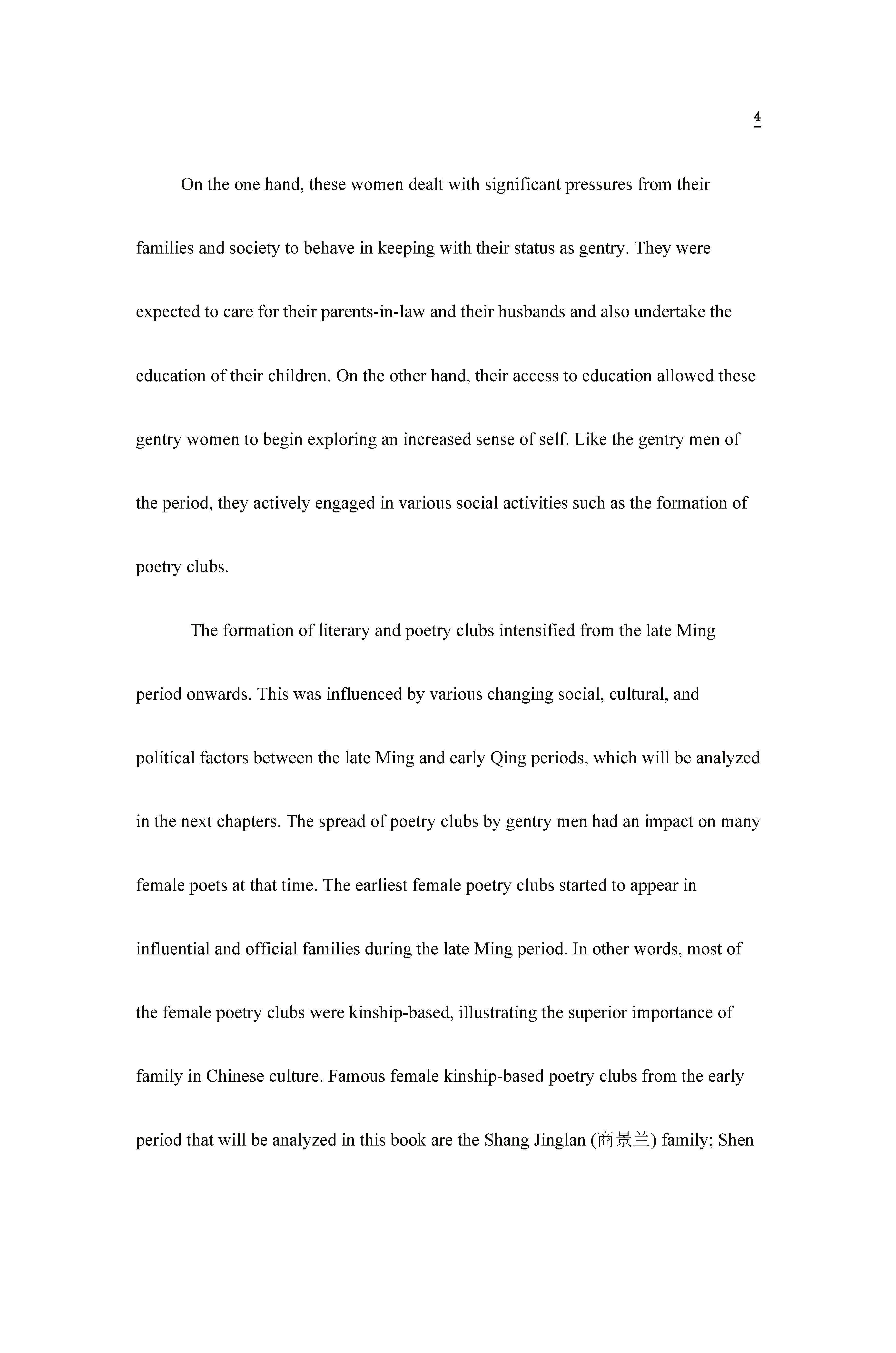
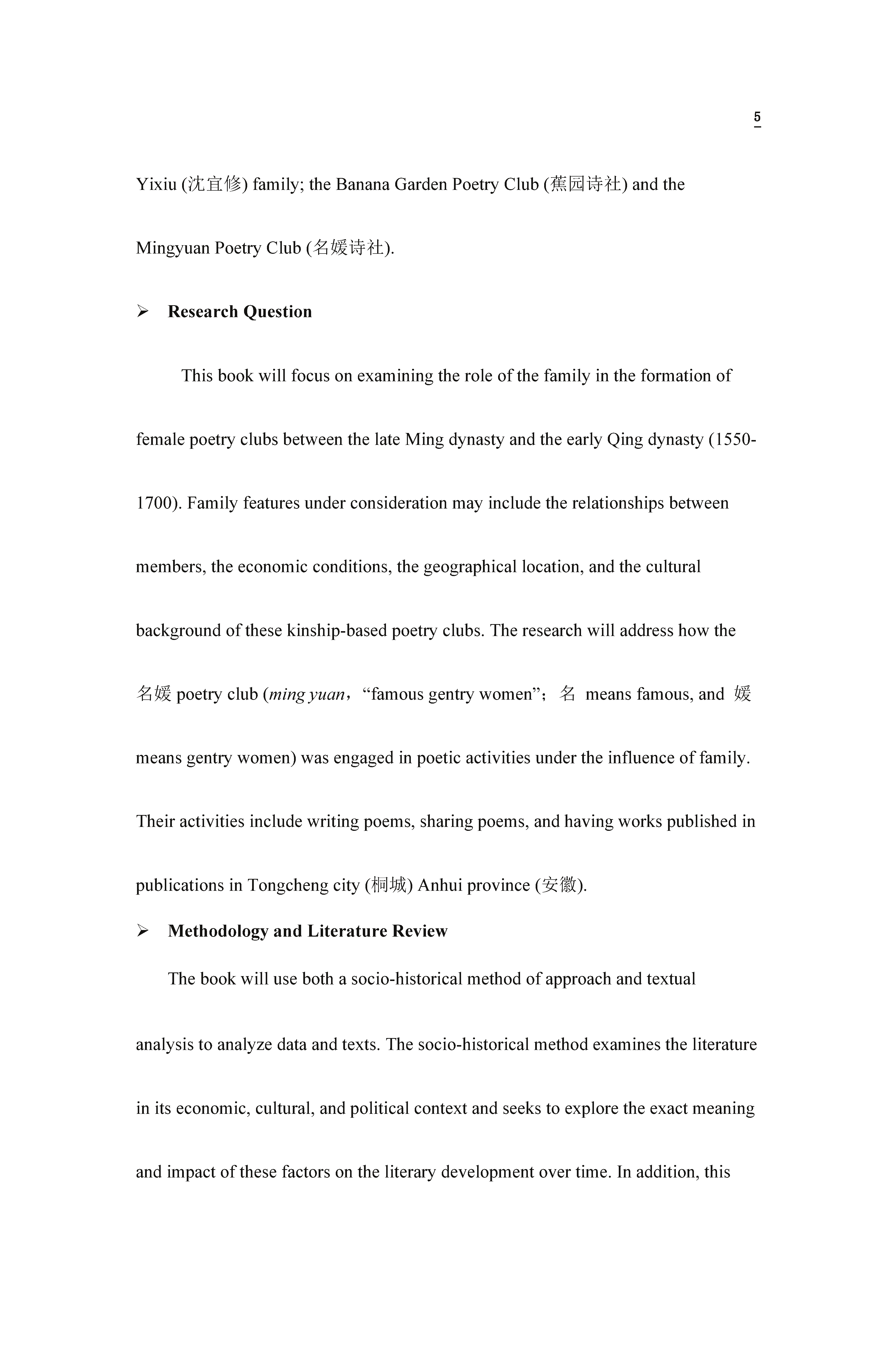
                            Traditional narratives often paint Ming and Qing China as a time of absolute female oppression. "A One-Sided Narrative? Exploring the Oppression of Women in Ming and Qing China" challenges this view, delving into the complexities of women's experiences.
While societal norms undoubtedly limited women's freedoms:
•	Confucian Ideals: Confucian teachings emphasized female obedience and domesticity, restricting women's roles and public participation.
•	Foot Binding: The brutal practice of foot binding symbolized the suppression of women's mobility and independence.
•	Limited Education: Formal education was largely inaccessible to women, hindering their intellectual and economic opportunities.
However, a closer look reveals a more nuanced picture:
•	Economic Power: Many women, particularly in merchant families, played vital roles in managing businesses, contributing significantly to family wealth and social status.
•	Artistic Expression: Certain artistic pursuits, like poetry and calligraphy, offered avenues for women to express themselves and challenge societal expectations.
•	Resilience and Resourcefulness: Historical accounts highlight instances of women navigating hardship and adapting to social constraints, demonstrating ingenuity and resilience.
This exploration is crucial:
•	Beyond Oppression: Recognizing women's agency and achievements offers a more balanced understanding of Ming and Qing society.
•	Challenging Stereotypes: Moving beyond a singular narrative allows us to deconstruct the image of the passive, oppressed Ming and Qing woman.
•	Nuances of History: A deeper understanding of the complexities of women's lives enriches our overall grasp of the historical period.
Challenges remain:
•	Limited Sources: Much historical documentation focuses on men and elite society. Unearthing experiences of ordinary women necessitates exploring diverse sources.
•	Interpretational Bias: Critical analysis of historical accounts is essential to avoid perpetuating biases that might downplay female agency or limit their representation.
By moving beyond a one-sided narrative and embracing the nuances of history, we can gain a richer understanding of women's experiences in Ming and Qing China.
Details
- Auflage: 0
- Veröffentlichungsdatum: 06.06.2024
- Von Richard
- Sprache: Englisch
- ISBN: 978-3-384-25196-1
- Seiten: 164
- Maße und Beschnitt: 15,5 x 23,4 cm
- Gewicht: 282,6g
- Produktionszeit: 5 Werktage

Das könnte dir auch gefallen
-
 Der Frauen Natur und Recht
 -
 Über sociale Differenzierung
 -
 Skizzen aus dem sozialen und politischen Leben der Briten
 -
 Die Frauenbewegung in ihren gegenwärtigen Problemen
 -
 Über sociale Differenzierung
 -
 Zur Geschichte der proletarischen Frauenbewegung Deutschlands
 -
 Zur Geschichte der proletarischen Frauenbewegung Deutschlands
 -
 The Gipsies' Advocate or, Observations on the Origin, Character, Manners, and Habits of The English Gipsies
 -
 The Red Record Tabulated Statistics and Alleged Causes of Lynching in the United States
 -
 A Social History of the American Negro Being a History of the Negro Problem in the United States.
 -
 Le féminisme français II L'émancipation politique et familiale de la femme
 -
 Broken Homes A Study of Family Desertion and its Social Treatment
 -
 Twenty Years at Hull House; with autobiographical notes
 -
 The Digger Movement in the Days of the Commonwealth As Revealed in the Writings of Gerrard Winstanley, the Digger, Mystic and Rationalist, Communist and Social Reformer
 -
 The Digger Movement in the Days of the Commonwealth As Revealed in the Writings of Gerrard Winstanley, the Digger, Mystic and Rationalist, Communist and Social Reformer
 -
 A Short History of Women's Rights From the Days of Augustus to the Present Time. with Special Reference to England and the United States. Second Edition Revised, With Additions.
 -
 The Social Work of the Salvation Army
 -
 De economische toestand der vrouw
 -
 De economische toestand der vrouw
 -
 Burg Frankenstein - eine Zeitreise
